June 11, 2026
Personal injury law encompasses a broad range of cases where individuals suffer harm due to the negligence of others. One of the most common types of personal injury accidents is the slip and fall, which can occur in various environments, such as retail stores, workplaces, or public sidewalks. Understanding the laws governing these incidents is crucial, not only for victims seeking compensation but also for property owners and businesses aiming to mitigate liability risks.
Slip and fall accidents are often underestimated, with many unaware of their legal rights or responsibilities until an incident occurs. By shedding light on the intricacies of personal injury law, this article aims to educate both potential claimants and defendants. From understanding slip and fall definitions to exploring case law and offering preventative advice, this guide will provide a comprehensive overview of this critical aspect of personal injury law.
The Definition of a Slip and Fall
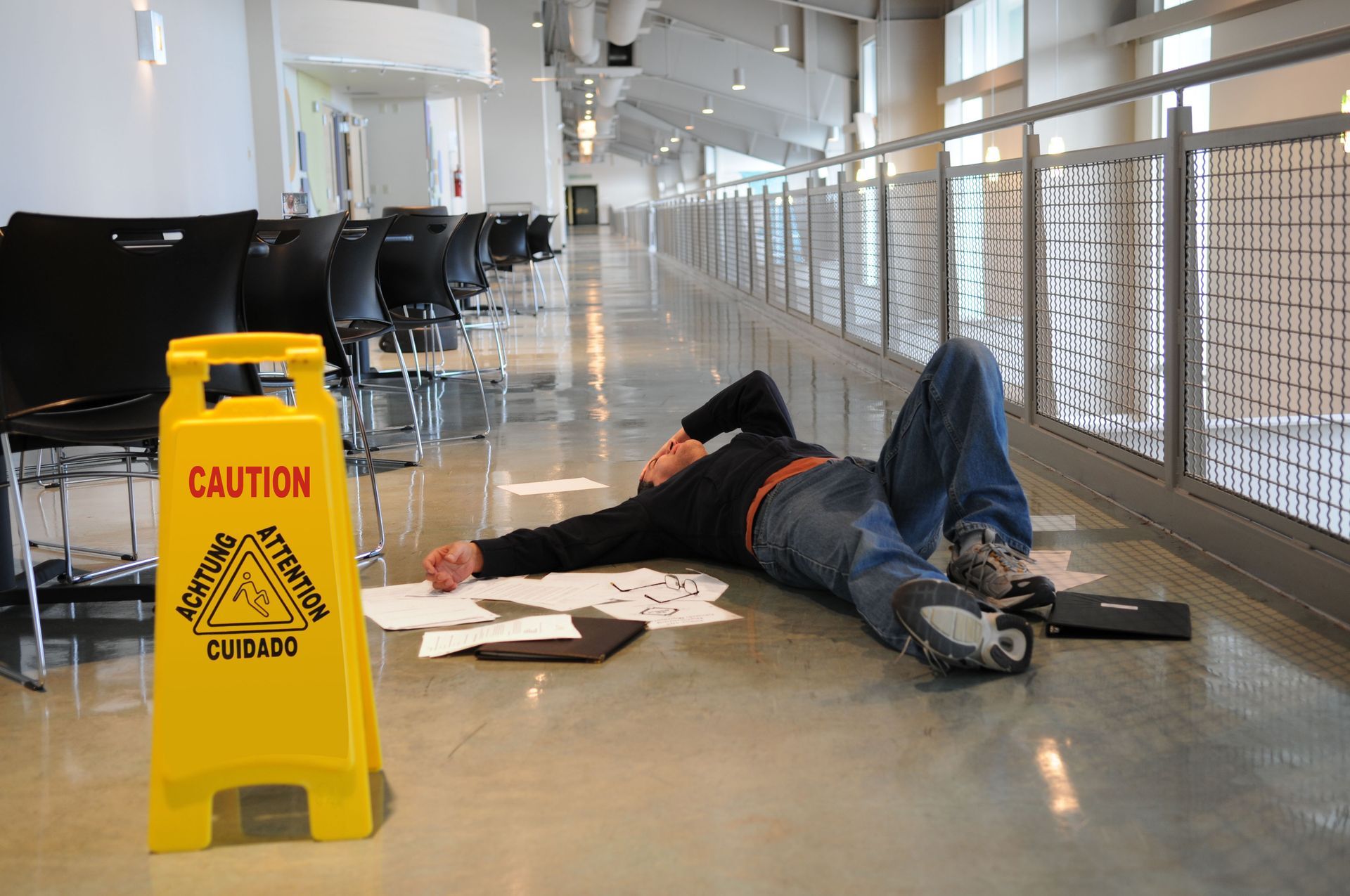
A slip and fall accident occurs when an individual slips, trips, or falls due to a hazardous condition on someone else's property. Common scenarios include slipping on a wet floor, tripping over an uneven surface, or falling due to inadequate lighting. While they might seem minor, these accidents can lead to severe injuries, such as fractures, concussions, or even long-term disabilities. The legal definition varies slightly depending on jurisdiction, but it generally revolves around the concept of premises liability. This legal principle holds that property owners have a duty to maintain a safe environment to prevent inevitable accidents.
When discussing slip and fall cases, it's essential to distinguish between different types of claimants, such as invitees, licensees, and trespassers. Invitees are individuals who enter a property for business purposes, like customers in a store, and thus deserve the highest level of care. Licensees, such as social guests, are owed a moderate duty of care, while trespassers, who enter without permission, receive the least. These distinctions help determine the level of responsibility a property owner might have if an accident occurs. Legal outcomes often hinge on these categorizations, making it vital to understand the differing levels of duty owed to each type of visitor.
The complexity of personal injury law, particularly in slip and fall cases, is partly due to the specific circumstances that lead to accidents. Each case is unique, with various factors influencing legal decisions, such as the precise location of the fall, the conditions of the site, and the behavior of the injured party. Because of these nuances, both claimants and defendants benefit from acquiring a detailed understanding of the basic definitions and legal criteria involved. It's not merely the accident itself but the context and evidence surrounding it that carries legal weight.
Common Causes of Slip and Fall Accidents
Slip and fall accidents can be caused by a myriad of factors, many of which involve property maintenance oversight or environmental conditions. Wet or slippery floors are a frequent cause, often resulting from spills, leaks, or freshly mopped surfaces without adequate warning signs. Tripping hazards, such as uneven flooring, loose rugs, or cluttered walkways, also contribute significantly to the occurrence of these accidents. Furthermore, poor lighting conditions can obscure potential dangers, increasing the likelihood of falls, particularly in areas like staircases or garages. Property owners can significantly reduce these risks through proactive inspections and immediate corrective actions.
Another prevalent cause of slip and fall accidents is weather-related conditions, such as icy or wet entryways, which are particularly troublesome during inclement weather. While property owners can't control the weather, they are obligated to take reasonable measures to mitigate risks. This responsibility might involve salting icy paths, placing absorbent mats at entrances, or ensuring drainage systems function properly during heavy rains. Ensuring timely and adequate responses to these conditions is a critical part of maintaining a safe environment for visitors. Failure to do so can result in an increased number of avoidable accidents.
Impact of Slip and Fall Accidents
The aftermath of slip and fall incidents can be profound, affecting victims physically, emotionally, and financially. Physically, injuries from these accidents range from minor bruises to serious ailments like head injuries, spinal damage, or broken bones, which may necessitate extended hospital stays or rehabilitation. The recovery process can significantly disrupt a person's daily life, leading to temporary or permanent disabilities that impact their ability to work or perform routine tasks. Consequently, the physical impact is often accompanied by significant emotional distress, including anxiety, depression, or post-traumatic stress, particularly when recovery is prolonged.
From a financial perspective, medical expenses can quickly accumulate, covering emergency care, surgeries, physical therapy, and medications. For many victims, these costs are exacerbated by lost wages due to time away from work, potentially jeopardizing their financial stability. Additionally, individuals may incur costs for home modifications, transportation to medical appointments, or hiring caregivers. Collectively, these financial pressures add a layer of complexity to the recovery process, underscoring the importance of comprehensive legal frameworks to assist victims in claiming fair compensation.
Statistics on Slip and Fall Incidents
Data shows that certain industries, like retail and hospitality, see higher instances of slip and fall accidents, which correlate to specific environmental hazards inherent in their operations. For instance, restaurants with slick kitchen floors or retail stores with frequent customer traffic face unique challenges in maintaining safe premises. Workplace slip and falls are also notable, with the Occupational Safety and Health Administration (OSHA) emphasizing the importance of effective safety protocols to minimize such hazards. These statistics highlight the importance of both industry-specific and general preventive strategies, supported by thorough legal frameworks to manage responsibility and compensation.
The demographic analysis of slip and fall accidents shows a distribution that varies by age, gender, and occupation, offering insights for targeted preventive strategies. Senior citizens are particularly at risk, often facing more severe injuries from such accidents, leading to longer recovery times and higher medical costs. According to Rev, it generally takes about 11.4 months to reach a full resolution for a typical personal injury claim. This timeline reflects the challenges in negotiating settlements or proceeding to trial, emphasizing the need for streamlined legal processes. Data-driven insights thus play a pivotal role in recognizing trends and improving preventive and compensation strategies across different demographics.
The Role of Premises Liability
Premises liability is a critical aspect of personal injury law, governing the legal responsibilities of property owners and managers regarding accidents on their properties. It stipulates that property owners must reasonably ensure safe environments for occupants and visitors by addressing potential hazards. The principle of premises liability extends beyond mere ownership, encompassing a duty of care that compels periodic inspections and maintenance to prevent accidents. In slip and fall cases, the application of this legal standard involves thorough evaluations of the property conditions at the time of the incident.
Legal interpretations of premises liability can vary, influenced by the relationship between the property owner and the visitor. For instance, invitees receive the highest duty of care, requiring property owners to address hazards. Licensees are also owed a duty of warning for non-obvious dangers but are generally afforded less protection than invitees. By contrast, trespassers, not having a legitimate presence on the property, are typically owed minimal care, primarily concerning intentional harm. These distinctions are essential as they directly impact the legal determinations concerning liability in slip and fall cases.
If you need a legal team experienced in personal injury law, reach out to Marietta Injury Advocates today. We are dedicated to fighting for your rights and ensuring you receive fair compensation for your injuries.