November 19, 2026
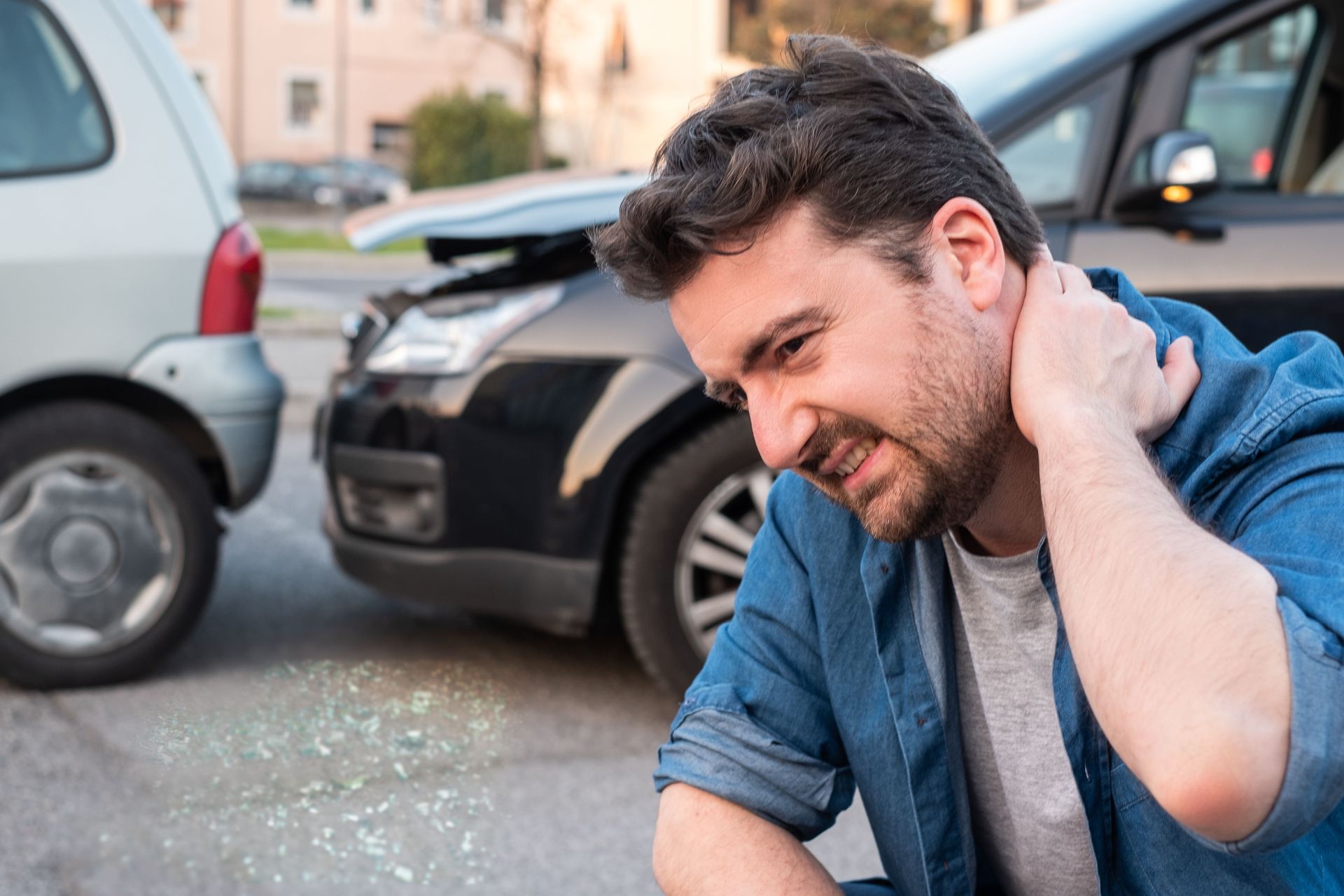
Car accidents can leave people dealing with injuries, vehicle damage, medical expenses, and questions about what happened. When another driver's actions cause a collision, proving fault becomes an important part of a personal injury case. Establishing responsibility involves reviewing evidence, understanding traffic laws, and showing how a driver's conduct contributed to the injuries. A car accident attorney can help injured individuals understand how fault is established and what information may support their claim. This article explains how evidence is gathered, responsibility is evaluated, and the legal process helps determine who is accountable for an accident.
Gathering Relevant Evidence
Evidence plays a central role in proving fault by explaining how the accident happened and supporting a personal injury claim. The available evidence depends on the circumstances of the collision. Photographs, police reports, witness statements, and video footage can help show what occurred, while medical records document the injuries and their connection to the crash.
Each piece of evidence provides a different perspective. Photographs may show vehicle damage, while witness statements explain how the drivers were moving before impact. Collecting evidence early can also help preserve important details, as skid marks may fade, vehicles may be repaired, and witnesses may become harder to reach. A car accident attorney may review these materials to identify supporting details, address conflicting accounts, and determine whether additional information is needed to establish fault.
Reviewing Police Reports
Police reports often provide an important starting point for understanding a car accident. When officers respond to a collision, they may document the location, time, vehicles involved, and statements from the drivers. The report may also include observations about road conditions, visible damage, and possible traffic violations. These details can help establish a timeline of events. For example, a report may indicate that one driver failed to yield while entering an intersection. If other evidence supports that observation, it may help show how the driver's actions contributed to the collision.
However, a police report does not automatically determine who is legally responsible for an accident. Officers may not witness the collision, and their reports may rely on information provided by the people involved. Some details may also remain unclear when the report is first prepared. Reviewing a police report alongside other evidence can help identify missing information or conflicting accounts. A car accident attorney may examine the report to understand the initial findings and determine whether additional evidence is needed to establish responsibility.
Examining Driver Behavior
Driver behavior is often a major factor in determining fault. Motorists are expected to follow traffic laws and take reasonable steps to avoid putting others at risk. Unsafe actions such as speeding, distracted driving, driving under the influence, and following too closely can reduce a driver's ability to respond to road conditions. These actions may contribute to a collision and affect how responsibility is determined.
The type of accident can also provide useful information. Rear-end collisions may involve a driver following too closely or failing to stop in time. According to CARFAX, 60.7% of reported vehicular accidents with an identified collision type were rear-end collisions. While the driver who strikes another vehicle from behind may be responsible, the circumstances still matter. A car accident attorney may review witness statements, photographs, and other records to determine whether a driver's actions contributed to the collision and resulting injuries.
Connecting Injuries to the Accident
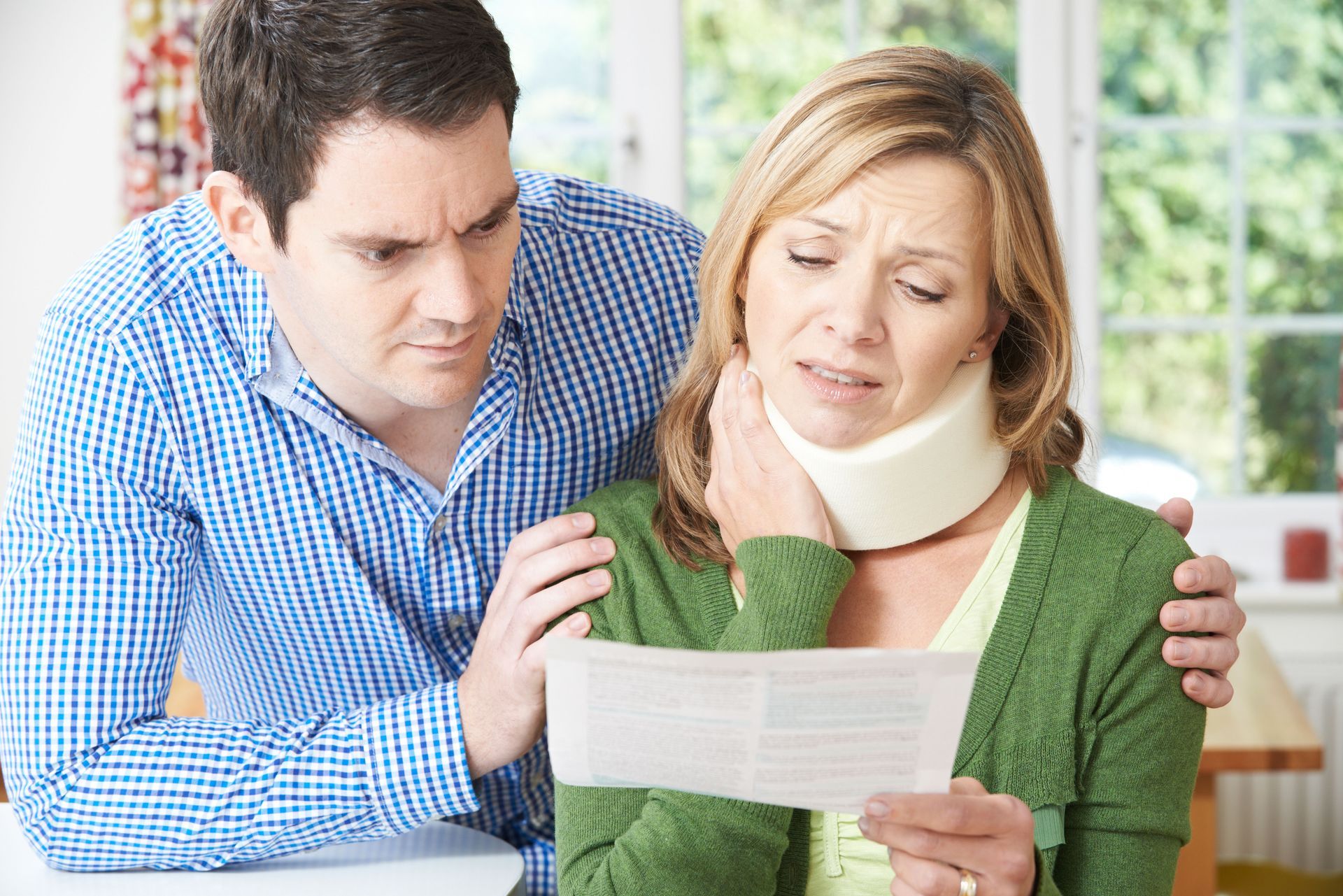
Proving fault is only one part of a personal injury case. An injured person must also show that the accident caused their injuries and related losses. This connection is known as causation, and it helps establish why the injured person is seeking compensation. Medical records can provide important information about this connection. They may document when symptoms began, what injuries were identified, and what treatment was recommended. Records created shortly after the accident can help explain how the injuries developed and whether they are consistent with the reported collision.
Some injuries may become noticeable hours or days after an accident. Pain, stiffness, and other symptoms may not appear immediately. Seeking professional medical help can allow injuries to be evaluated and documented, even when symptoms initially seem manageable. The injured person's medical history may also be considered. If a person had an earlier injury or medical condition, the claim may need to show whether the accident caused a new injury or made an existing condition worse. Medical documentation can help clarify these questions. A car accident attorney may review available records to understand the nature of the injuries and how they relate to the collision. This information can support the claim by showing the connection between the accident and the harm experienced.
Assessing Witness Statements
Witnesses can provide valuable information about an accident, particularly when the drivers offer different explanations. A person who saw the collision may describe how the vehicles approached one another, whether a traffic signal changed, or whether a driver appeared to be moving at an unsafe speed. Witness statements can help establish the sequence of events. They may also support or challenge information found in a police report or provided by one of the drivers. When several witnesses describe similar details, their accounts may help create a clearer understanding of the collision.
The reliability of a witness can depend on several factors. Their location at the time of the accident, ability to see the vehicles, and recollection of events may affect the value of their statement. A witness who was close to the scene and had an unobstructed view may provide more useful information than someone who observed the accident from a distance. Witnesses may also remember different details. One person may have noticed the speed of a vehicle, while another may have seen the traffic signal. Reviewing these accounts together can help explain what happened. A car accident attorney may use witness statements to support a claim and identify details that require further review. Witness accounts can be particularly helpful when physical evidence alone does not explain the full sequence of events.
Presenting Evidence During Negotiations
Once the evidence has been gathered and reviewed, it may be presented during discussions about a personal injury claim. These discussions explain how the accident happened, why another party may be responsible, and how the injuries have affected the injured person. Photographs, medical records, witness statements, and other documents can help support these points and clarify how fault should be assigned. Disagreements may arise when the parties interpret the evidence differently or question whether certain injuries resulted from the collision. If they cannot reach an agreement, the case may proceed to court, where a judge or jury reviews the evidence and determines responsibility. The process depends on the circumstances of the accident and the issues involved.
Proving fault in a personal injury case requires understanding the accident and the evidence surrounding it. Police reports, witness statements, photographs, and medical records can help explain how a collision occurred and affected the injured person. Reviewing these details can help establish responsibility and support a claim for compensation. The process may become more complicated when drivers disagree or if several parties share responsibility. Understanding the evidence and applicable laws can help injured individuals make informed decisions. If you have been injured in a collision, contact Marietta Injury Advocates to discuss your case with car accident attorney Bill Gentry and learn how the available evidence may support your claim.